
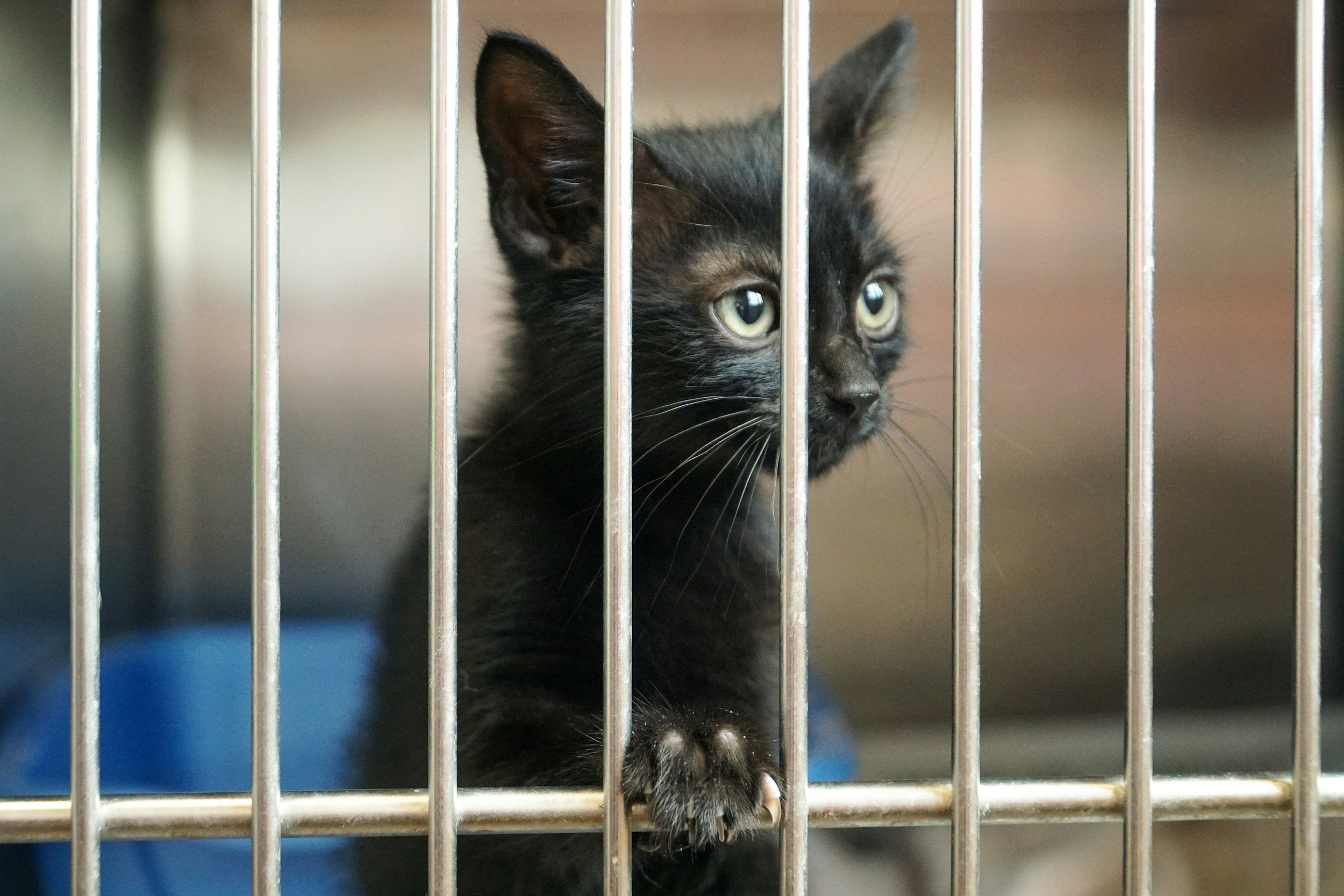
How You Can Help Montana Shelter Pets: Simple Steps That Make a Big Impact
Source: Bernie the Boxer
For Montana pet owners who care about their communities, it’s hard to watch shelter and rescue pets cycle in and out with the same pressure returning every season. The core challenge is simple and stubborn: a pet overpopulation challenge that outpaces the time, space, and budgets local shelters can stretch. When community support for pets shows up in practical ways, especially around affordable spay/neuter services, fewer animals enter the system and more can get the care they need. Small, steady support changes what’s possible for Montana shelters.
How Community Help Multiplies Shelter Impact
.When you support animal welfare, the biggest wins come from teamwork, not one perfect action. Community involvement works like a relay: fostering adds temporary space, volunteers add hands, and donations add supplies and medical help. That teamwork matters because shelters face daily gaps that local programs cannot cover alone, even when spay and neuter efforts are strong.
This is why your help can affect access to affordable pet care resources. More support behind the scenes can free staff time and funds for prevention, like spay and neuter options, so fewer animals enter in the first place. Nationally, 6.5 million cats and dogs entered shelters, so every local boost counts.
Picture a busy week: you foster one dog, a neighbor volunteers, and someone else drops off food. That stack of small actions can keep kennels open and reduce stress for animals. Shelter volunteering also builds civic responsibility that keeps support showing up over time.
Pick Your Path: 12 Practical Ways to Support Rescue Pets
You don’t have to do everything to make a real difference for shelter pets. Pick one lane that fits your time, space, and budget, and you’ll help cover the everyday gaps shelters can’t fill alone.
Foster for a weekend (or two weeks): Ask a shelter about short-term fostering shelter pets who need a break, like a shy cat, a dog recovering from a spay/neuter surgery, or a pet waiting for transport. A simple “decompression” home can reduce stress and help staff learn what the pet is like outside the kennel. Start small: one pet, one room, a clear start/end date, and a written plan for food, meds, and who to call after hours.
Volunteer in a role that matches your comfort level: Not all volunteering opportunities involve handling animals. Many shelters need people for laundry, dishes, tidying kennels, organizing supplies, answering phones, or greeting adopters, tasks that free staff to do medical and behavior work. If you do want hands-on time, ask for training on safe leash handling and reading basic stress signals.
Donate strategically, not randomly: Before buying anything, check the shelter’s “most needed” list and ask what sizes/types move fastest (for example: kitten food, medium leashes, gentle cleaners). Set a simple goal like $10–$20 per month, or one “supply run” each season. It helps to remember the scale shelters face, 2.8 million cats and dogs entered animal shelters in just the first half of 2025, so targeted support stretches farther.
Sponsor the unglamorous essentials: Shelters often run short on the boring-but-critical stuff: gas cards for transport, paper towels, trash bags, detergent, flea prevention, and enrichment items. Call and ask, “What do you wish you had more of every single week?” These practical pet care resources keep daily operations running smoothly and directly improve animal comfort.
Be a “spay/neuter helper” for someone else: Offer one concrete thing: a ride to an appointment, help filling out forms, a crate to borrow, or a quiet space for one night of recovery. If you know of low-cost clinics or voucher programs, share the info in neighborhood groups, then follow up with a quick message to see if they got an appointment. Removing barriers like transportation and confusion is often what turns good intentions into action.
Advocate in tiny, repeatable ways: Everyday advocacy for animals can be as simple as sharing one adoptable pet post a week, keeping your own pets fixed and microchipped, and choosing ID tags that are easy to read. When you post, add the two details that matter most: temperament (“great with cats,” “quiet couch buddy”) and the easiest next step (“apply online” or “call to meet”). You’ll be joining the many people already stepping up, 39 million people have taken action to help animals, and your consistency is what gets pets seen.
Build a “ready-to-help” kit for fast yeses: Keep a simple bin so you can respond when a shelter needs help today: a spare leash, slip lead, a baby gate, a towel, a lint roller, and a few cans of food. Add a note with local emergency numbers and a basic pet-care checklist (feeding schedule, litter routine, safe room setup). This turns good intentions into reliable pet rescue support activities, especially during busy intake weeks.
Quick Answers for Helping Shelter Pets
Q: What are the most effective ways to support shelter and rescue pets if I have limited time or resources?
A: Choose one small, repeatable action: share one adoptable pet post weekly, donate a specific supply from a wishlist, or offer a ride to a vet appointment. If you can spare 10 minutes, record a simple 15-second clip of a pet’s best trait and add how to apply. A quick script helps: “Meet [Name], a calm cuddle buddy. To meet them, message the shelter and ask for the adoption application.”
Q: How can volunteering at a local animal shelter make a meaningful difference for pets in need?
A: Shelters run on countless behind-the-scenes tasks, so even short shifts can free staff for medical care and behavior support. You can help with laundry, cleaning, organizing donations, or greeting visitors, then add animal handling later if you want training. Many communities already pitch in with practical help, and 54.2% of Americans report assisting neighbors through informal tasks.
Q: What should I consider before deciding to foster a shelter or rescue pet?
A: Ask about the time window, medical needs, resident pets, and what the shelter provides, then choose a beginner-friendly match. Set up a quiet space, plan your routine, and get clear contact info for after-hours questions. Fostering is high impact, and 85,392 hours of care shows how much steady at-home support can add up.
Q: Are there low-cost or strategic donation options that maximize the impact for shelter animals?
A: Yes. Give what the shelter asks for most, like litter, kitten food, detergent, or transport support, because these reduce daily operating strain. If money is tight, donate one “boring essential” item per month or set up a small recurring gift so the shelter can plan ahead. Animal causes can be underfunded, and 3% of all donations going to animal and environment charities highlights why targeted giving matters.
Q: What affordable spay/neuter resources are available in Montana to help reduce pet overpopulation?
A: Start by calling your local shelter or humane organization and asking about low-cost clinic days, voucher programs, waitlists, and any income-based pricing. If you have a regular veterinarian, ask whether they offer seasonal specials or can refer you to a reduced-cost option. You can also help a neighbor by sharing appointment details, lending a crate, or offering a quiet recovery spot for the first night.
Quick Actions to Help Shelter Pets Today
This checklist turns good intentions into doable steps you can finish this week. It’s especially helpful for Montana pet owners looking for affordable spay and neuter options and practical pet care resources.
✔ Call local shelters to ask about spay/neuter vouchers and clinic days
✔ Schedule a low-cost appointment and save the confirmation details
✔ Share one adoptable pet post with clear contact instructions
✔ Donate one requested essential item from a shelter wishlist
✔ Sign up for a short volunteer shift that matches your comfort level
✔ Offer a ride, crate, or recovery space for a spay/neuter visit
✔ Save a weekly reminder to repeat one support action
Check off one item now, then repeat it weekly for real impact.
Turn One Simple Habit Into Real Help for Montana Shelter Pets
Shelters across Montana are always balancing too many animals and not enough time, space, or hands to meet every need. The way through isn’t perfection, it’s choosing a steady, realistic rhythm of support that fits normal life and treats animal welfare as a shared, community responsibility. When those small actions repeat, rescue pets get calmer days, fuller bowls, and faster paths into safe homes, and personal empowerment in animal welfare starts to feel practical instead of overwhelming. One consistent habit can change a shelter pet’s whole week. Choose one next step this week, foster inquiry, a volunteer shift, a planned donation, or sharing adoptable pets, and put it on the calendar. That follow-through builds a more resilient, connected Montana where pets and people do better side by side.